



_edi.png)


Filter Friday Home Check for Clean and Healthy Air
A filter can look harmless until it starts working against the home. Dust builds up, airflow drops, odors linger, and the systems meant to help keep the air comfortable have to work harder than they should.
That is why Filter Friday is such a useful habit. It turns a chore that is easy to forget into a simple weekly check. Not every filter needs to be replaced every Friday, of course. The point is to pause, look, clean what needs cleaning, and make a quick plan for anything due soon.
Most homes have more filters than people realize. The HVAC system is the obvious one, but there may also be filters in air purifiers, range hoods, vacuums, dryers, humidifiers, dehumidifiers, and refrigerators. Some protect the air. Some protect appliances. Some do both.
A few minutes of attention can help your home feel fresher, reduce dust, and keep equipment from straining through clogged screens and cartridges.
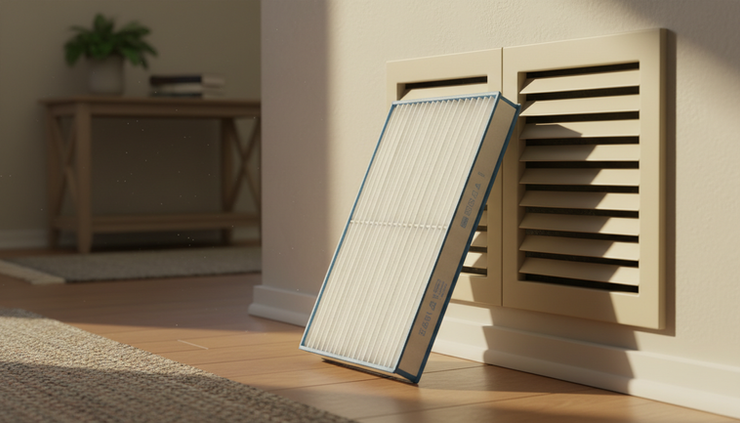
Why Filter Friday is worth the routine
Filters do quiet work. They trap particles, protect fans and motors, and help air move through the home the way it should. When they get dirty, the change is often gradual. The air may feel stuffier. A room may get less comfortable. Dust may settle faster on shelves. A unit may run longer than normal.
A weekly check helps catch those small signs before they become bigger problems.
Clean filters can help with:
Better airflow
Air moves more easily through clean filters and vents.
Less visible dust
Filters cannot remove every particle, but they can reduce how much circulates.
Lower strain on equipment
Fans, blowers, and motors do not have to fight as hard against buildup.
Fresher indoor air
Grease, lint, pet hair, and dust can all hold odors.
More predictable maintenance
You stop guessing and start noticing patterns in your own home.
Think of Filter Friday as a quick walk through the house. Some weeks, everything looks fine. Other weeks, one filter needs a rinse, one needs a replacement, and one needs to be added to the shopping list. That is still a win.
Start with the biggest air mover in the house
The HVAC filter should be the first stop. This filter sits in or near the return air path for a furnace, air conditioner, or heat pump. Since the system moves air through much of the home, this filter usually has the biggest effect on whole-home airflow.
Check it every Friday, especially during heavy heating or cooling seasons. You do not need to replace it every time. Just pull it out and look at it.
A filter may need replacement if:
The surface looks gray, fuzzy, or packed with dust
You cannot see much of the filter material anymore
The filter looks bent, damp, or damaged
The home has more dust than usual
The system seems to run longer than normal
Most disposable HVAC filters have an arrow printed on the frame. That arrow should point in the direction of airflow, usually toward the blower or equipment. Installing the filter backward can restrict airflow and reduce performance.
Filter size matters too. A filter that is too small can leave gaps. Air will take the easiest path and move around it, carrying dust with it. A filter that is too thick or dense for the system can also create problems. If unsure, use the size printed on the current filter or check the equipment manual.
A clean-looking filter is not always a good filter. If it is the wrong size, damaged, or installed backward, it cannot do its job well.
Watch the MERV rating
Many HVAC filters list a MERV rating, which describes how well a filter captures particles in a controlled test. Higher numbers capture smaller particles, but higher is not always better for every system.
Some systems handle higher-rated filters well. Others need less resistance to keep air moving properly. If your system struggles after switching to a denser filter, or if airflow from the vents feels weaker, step back and check the equipment guidance. When in doubt, ask an HVAC professional what range fits the system.
Check room air purifiers and portable filters
Portable air purifiers work best when they have space around them and clean filters inside them. If the purifier sits behind a chair or under a table, it may not move air well. If the filter is clogged, the fan may run loudly while doing less work.
On Filter Friday, give each air purifier a quick check.
Look for:
A filter change light
Dust on the intake grille
A dirty pre-filter
Reduced airflow
New odors when the unit runs
Many purifiers use more than one layer. A washable pre-filter may catch large dust, hair, and lint. A main filter may sit behind it. Some units also use a carbon filter for odors. The cleaning method depends on the model, so follow the manufacturer’s instructions.
Do not wash a filter unless the manual says it is washable. Some filters lose their structure when wet, even if they look sturdy.
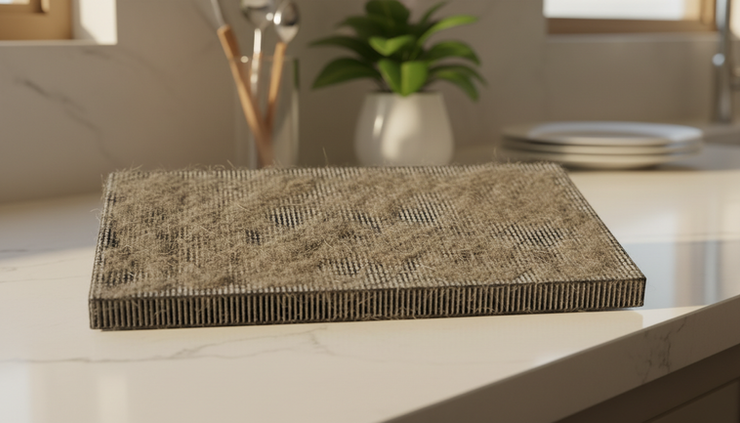
Do not forget the kitchen range hood filter
The range hood filter has one of the messiest jobs in the home. It catches grease, smoke particles, steam residue, and cooking odors. If it gets coated in grease, it can reduce airflow and make the kitchen feel stale after cooking.
Most metal mesh range hood filters can be washed. Many homeowners soak them in hot water with dish soap, then gently scrub and rinse them. Let the filter dry fully before putting it back.
Some range hoods use charcoal filters, especially ductless models that recirculate air back into the kitchen. Charcoal filters usually cannot be washed. They need replacement on a schedule based on cooking habits and the manufacturer’s guidance.
A weekly glance helps you avoid the surprise of a sticky, clogged filter.
Signs the range hood filter needs care include:
Lingering cooking smells
Grease on cabinets near the stove
Weak suction at the hood
Visible yellow or brown residue on the filter
A rattling sound from poor seating
The kitchen creates a lot of indoor air issues. Steam adds moisture. Frying can leave grease in the air. Toasting, searing, and baking spills can create smoke. A clean range hood filter helps move those byproducts away from the cooking area faster.
Give the laundry area a safety check
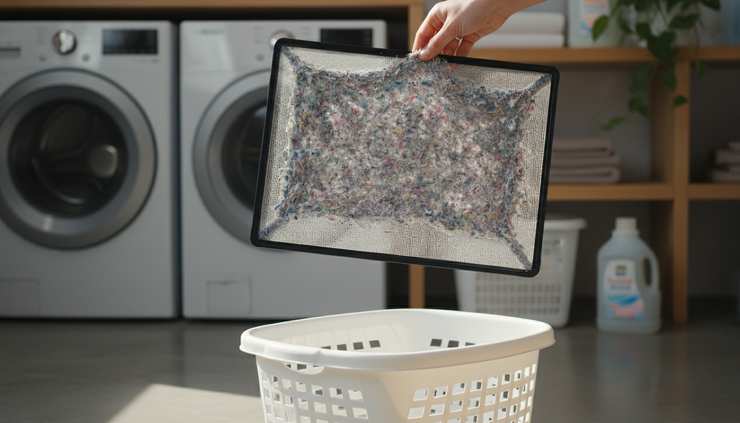
The dryer lint screen is a filter, and it deserves attention every time the dryer runs. Lint blocks airflow. When airflow drops, clothes take longer to dry and heat can build up.
For Filter Friday, go beyond the basic lint screen wipe.
Check these areas:
The lint screen
The slot where the lint screen slides in
The dryer vent hose behind the machine
The outdoor vent flap, if you can safely access it
Clean the lint screen before every load. Once in a while, wash it with warm water and mild soap if fabric softener residue builds up. A screen can look clean while a thin film blocks airflow.
The dryer vent line also matters. If clothes take longer than usual to dry, the laundry room feels hotter, or the outside vent does not open well when the dryer runs, the vent may need cleaning.
Dryer maintenance is not only about convenience. It is part of basic home safety.
Look at vacuum filters before dust returns to the room
A vacuum picks up dust, but a dirty vacuum filter can send fine particles back into the air or weaken suction. Bagless vacuums often have foam, felt, or cartridge filters. Some have more than one. Bagged vacuums may still use exhaust filters.
A good Filter Friday habit is to empty the vacuum canister or check the bag, then inspect the filter. If the vacuum smells dusty while running, loses suction, or leaves debris behind, the filter may be overloaded.
Use these basic rules:
Tap loose dust outside, away from open doors and windows
Wash only filters marked as washable
Let washable filters dry fully before reinstalling
Replace torn, warped, or heavily stained filters
Keep a spare if the vacuum is used often
Never reinstall a damp filter. Moisture inside a vacuum can lead to odors and damage. If a filter needs a full day to dry, the spare filter will keep the vacuum ready.
This is especially helpful in homes with pets, rugs, kids, or lots of foot traffic. The vacuum becomes part of the air quality routine, not just the cleaning routine.
Check moisture-related filters and screens
Humidifiers and dehumidifiers can affect how the air feels. Their filters, wicks, tanks, and screens need regular attention because moisture can encourage buildup.
A humidifier may use a wick filter that absorbs water and releases moisture into the air. Over time, minerals from tap water can make the wick crusty or stiff. That can reduce output and create unpleasant smells.
A dehumidifier often has an air filter or screen that protects the coils. If dust builds up, the unit may run less effectively and collect less moisture.
On Filter Friday, check for:
Dust on intake grilles
Mineral buildup on humidifier wicks
Musty smells
Standing water in tanks
Filters that feel slimy, stiff, or clogged
Clean tanks and trays as directed by the manufacturer. Use fresh water in humidifiers. Empty dehumidifier buckets often, and make sure drain hoses stay clear if the unit drains continuously.
Balanced moisture can make the home feel more comfortable. Too much humidity can make air feel heavy. Too little can feel dry and irritating. Filters and screens help these appliances do their part.
Refrigerator water filters need a place on the list
A refrigerator water filter may not clean the air, but it belongs in a whole-home filter check. These filters serve water and ice dispensers, and they are easy to forget until water flow slows down or ice tastes off.
Many refrigerators have a filter indicator light. If yours does, check it on Fridays as part of the same routine. If there is no light, write the replacement date on a piece of painter’s tape and place it inside a cabinet near the fridge.
Use the filter type recommended for the refrigerator. Off-size filters may not seal correctly. After changing one, run water through it as instructed to flush the new cartridge.
This small habit keeps Filter Friday simple. Instead of trying to remember separate appliance schedules, you look once a week and act when needed.
Use a simple home filter checklist
A checklist prevents missed filters. It also helps you notice how fast filters get dirty in your home. A house with pets, open windows, renovation dust, wildfire smoke, or heavy cooking may need more frequent attention than a quieter home.
Filter or screen | What to check | Common action |
HVAC filter | Dust, damage, fit, airflow arrow | Replace when dirty or due |
Air purifier | Pre-filter, main filter, change light | Vacuum, wash, or replace as directed |
Range hood | Grease, odor, weak suction | Wash metal filter or replace charcoal filter |
Dryer lint screen | Lint and residue | Clean every load, wash occasionally |
Vacuum filter | Dust, odor, weak suction | Tap out, wash if allowed, or replace |
Humidifier | Wick, tank, mineral buildup | Clean or replace parts as directed |
Dehumidifier | Intake screen, bucket, drain | Rinse screen and empty bucket |
Refrigerator water filter | Indicator light and water flow | Replace when due |
This table does not replace the appliance manual. It gives you a practical order for your Friday walk-through.
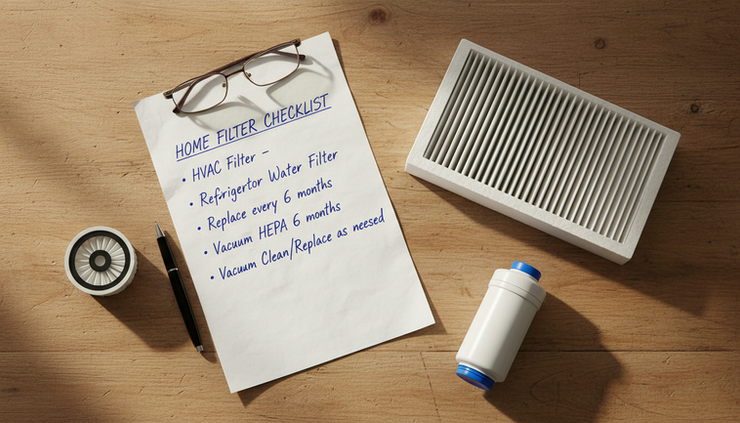
Make Filter Friday easy to keep
The best home maintenance routine is the one that actually happens. Keep it short and visible.
Try this simple rhythm:
Set a Friday reminder
Put it on the calendar for the same time each week.
Keep filter sizes in one note
List the HVAC size, purifier model, refrigerator filter type, and vacuum filter type.
Write dates on replaceable filters
Use a marker on the frame when you install a new HVAC filter.
Store spares together
Keep replacement filters in a closet, utility area, or laundry room.
Take a quick photo
If a filter looks questionable, photograph it. Next week, compare the change.
That last step is more useful than it sounds. Dust buildup can feel subjective. A photo gives you a clear record of whether a filter is getting dirty fast.
Also, pay attention after unusual events. Replace or check filters sooner after home projects, heavy smoke exposure, long periods with windows open, or major seasonal changes. Sawdust, pollen, and soot can load a filter faster than normal daily living.
A cleaner-air habit that takes only minutes
Filter Friday is not about replacing every filter in the house every week. It is about awareness. Walk through the home, look at the filters that protect your air and appliances, and handle the small tasks before they grow.
Start with the HVAC filter. Move to room air purifiers. Check the range hood, dryer lint screen, vacuum, moisture appliances, and refrigerator water filter. Write down what you find. Keep the right replacements nearby.
Clean and healthy air begins with steady habits. A few minutes each Friday can help the whole home breathe easier.


Comments